
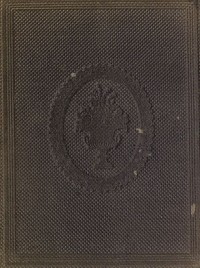
Little Frankie at His Plays by Madeline Leslie
Imagine a book where the biggest adventure is learning to share your toys, and the greatest villain is a moment of disobedience. That's the world of Little Frankie at His Plays. Published in 1851 by Madeline Leslie, it’s a series of gentle vignettes from the life of a young boy.
The Story
There’s no grand, twisting plot. Instead, we follow Frankie through his ordinary days. He builds houses with blocks, tends to a garden, plays with his sister, and goes on walks with his mother. Each chapter is a small episode: Frankie might be tempted to shirk a task, tell a half-truth, or be unkind. His mother is always nearby, guiding him with patient questions and Bible verses, helping him see the better path. The story is really about these tiny, quiet moments of growth. We see Frankie learn why honesty matters, how to find joy in helping others, and what it means to be responsible for even a small pet or plant.
Why You Should Read It
I’ll be honest—this isn’t a thrill-ride. But that’s why I found it so interesting. Reading it is like examining a preserved slice of history. You get a direct look at the values a middle-class, 19th-century American family wanted to instill: piety, obedience, industry, and kindness. The language is simple and the lessons are clear, meant for a child to understand. As a modern reader, it made me think about how we teach kids right from wrong today. The methods are different (less quoting scripture, hopefully more discussion), but the core desires—to raise a decent human being—feel timeless. Frankie’s mother is endlessly patient, a model of a very specific kind of parenting from that era.
Final Verdict
This book is a niche read, but a rewarding one. It’s perfect for history lovers, parents, or teachers curious about childhood and education in the 1800s. It’s also great for anyone who enjoys primary sources that show how ordinary people lived and thought. Don’t go in expecting a page-turning narrative. Go in as an observer. You’re peeking into a Victorian-era parlor, watching a mother teach her son, and getting a real sense of the moral world he was growing up in. It’s a short, quiet book that speaks volumes about its time.
Legal analysis indicates this work is in the public domain. Distribute this work to help spread literacy.



Ethan Young
1 year agoThis is one of those stories where the storytelling feels authentic and emotionally grounded. One of the best books I've read this year.