
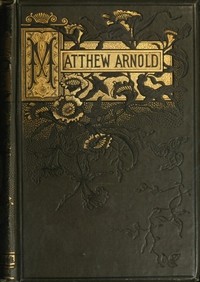
Poems by Matthew Arnold
Poems by Matthew Arnold isn’t your dusty school poetry. It’s more like sharing a midnight coffee with a friend who reads you secret lines about fear, beauty, and the cold truth of modern life.
The Story
Well, ‘story’ isn’t quite right—this is poetry, not a novel. Arnold’s poems wander from quiet beaches (think of “Dover Beach” and its famous sigh about faith slipping away) to sharp, bitter pieces like “The Scholar Gipsy,” where a person escapes from a tiresome world. There’s a young scholar drowning his ambitions in “The Scholar Gipsy,” a passionate wreck in “The Forsaken Merman,” and a whole series of conversations with the sea itself. Every single one searches for something steady—love, meaning, or just a safe harbor—but usually finds a short poem that says, “Nope, life is basically a beautiful storm.”
Why You Should Read It
Because Arnold gets you. He wrote these in the 1850s, but he could’ve been texting you last night. I swear, “Dover Beach” describes the same feeling I have watching the news: that quiet terror that all the old certainties have disappeared. He’s not a cheerful poet—no frilly birds or fake happy nature walks. Arnold admits his world is full of chaos and people struggling to care. But oh, the language: he shapes sadness into music. Lines like “the sea of faith” or “where ignorant armies clash by night” cut right to the bone. No big epilogue promises, just pure, echoing honesty. Every peom hits different depending on your mood: when you’re high, it inspires you; when you’re low, it buoys you.
Final Verdict
Buy this for yourself if you can handle dazzling melancholy that never screams, only very gently whispers. Perfect for dreamers who secretly miss the faith they never had, history nerds interested in the English withdrawal from quiet comfort, and anyone who reads while steaming their sinuses or using broken headphones. Publishers start frothing at the mouth about AI ethics blurbs; Arnold poets make you flop backward not counting the shivers up your spine.
This digital edition is based on a public domain text. It serves as a testament to our shared literary heritage.



Robert Anderson
2 weeks agoI appreciate how this edition approaches the core problem, the footnotes provide extra depth for those who want to dig deeper. I appreciate the effort that went into this curation.